Rural areas are fundamental to urban development, and the integration of urban and rural areas contributes to sustainable social development. Many societies encourage public participation in rural conservation; to a certain extent, this participation can provide young people with a channel to understand and build society, and in the long run, it helps strengthen the connection between individuals and society.
Hong Kong has always been regarded as a bustling metropolis, but behind its urbanization, it still retains many rural areas and more than 700 villages, some of which have a long history. These rural areas and villages are an important part of Hong Kong's social environment and also constitute the city's historical, natural and cultural landscape.
With increasing attention to sustainable urban and rural development, coupled with the growing popularity of in-depth cultural tours in Hong Kong after the pandemic, some previously sparsely populated rural areas have attracted many people to explore in recent years. Some non-governmental organizations and schools have also launched related projects and activities, among which young people are involved.
In recent years, the Hong Kong SAR Government has proposed the Northern Metropolitan Area (Northern Metropolitan Area) plan, with planning principles including "urban-rural integration." The Northern Metropolitan Area boasts abundant blue-green ecological resources, cultural resources, and rural traditions, and is a new engine for Hong Kong's future development; the SAR Government states that this is a long-term vision.
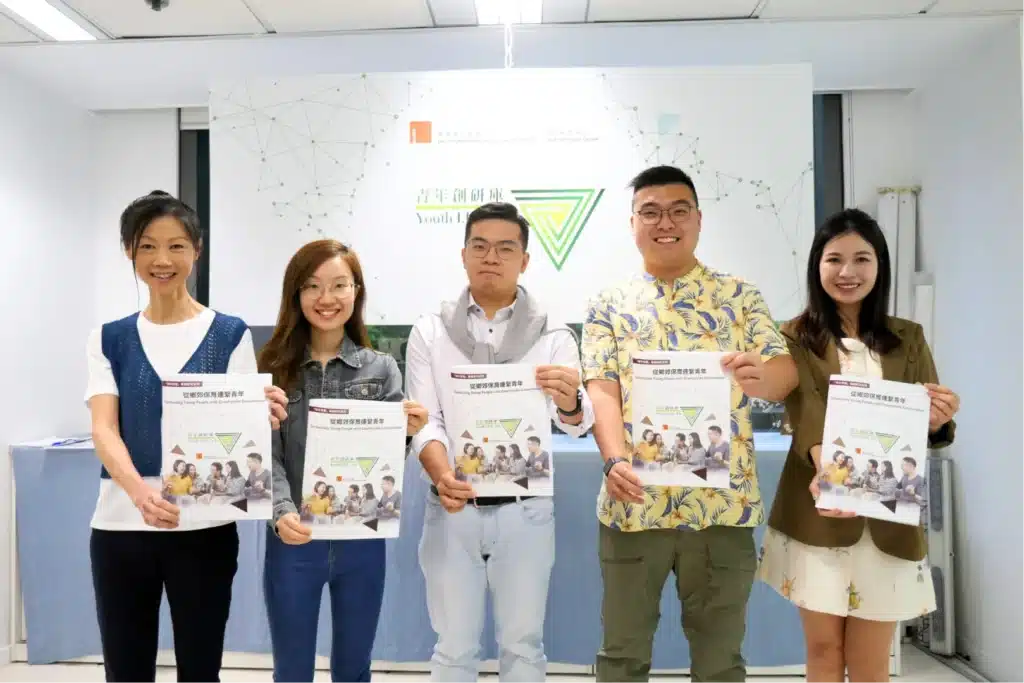
The current Hong Kong SAR Government attaches great importance to strengthening the connection between young people and the government through various channels, and all sectors are committed to promoting youth participation. This study aims to understand young people's views and experiences of participation in the conservation of rural areas in Hong Kong, hoping to identify key elements that can help encourage or sustain the participation of aspiring young people, and to provide feasible suggestions on further promoting youth participation in the sustainable development of urban and rural areas in Hong Kong, as well as exploring new ways for youth to participate in society.