
Urban-Rural Integration in Northern Metropolis: Breaking Development Bottlenecks with Sustainable Tourism
Walking the streets these days, it's easy to notice a change in the pace of visitors to Hong Kong. The image of people dragging suitcases through luxury stores has diminished. Instead, they're following social media guides, wandering through narrow alleyways on "Citywalks," or exploring nature in the countryside. Professor Yin Zhenying of the School of Hotel and Tourism Management at the Chinese University of Hong Kong confirms this: "Consumers now value mental health and the natural environment more." According to the Asia Tourism Exchange Centre's forecast for the tourism market, the proportion of young travelers is constantly rising. They are no longer satisfied with traditional material consumption, but are more willing to spend money to obtain richer emotional value and better quality family time.
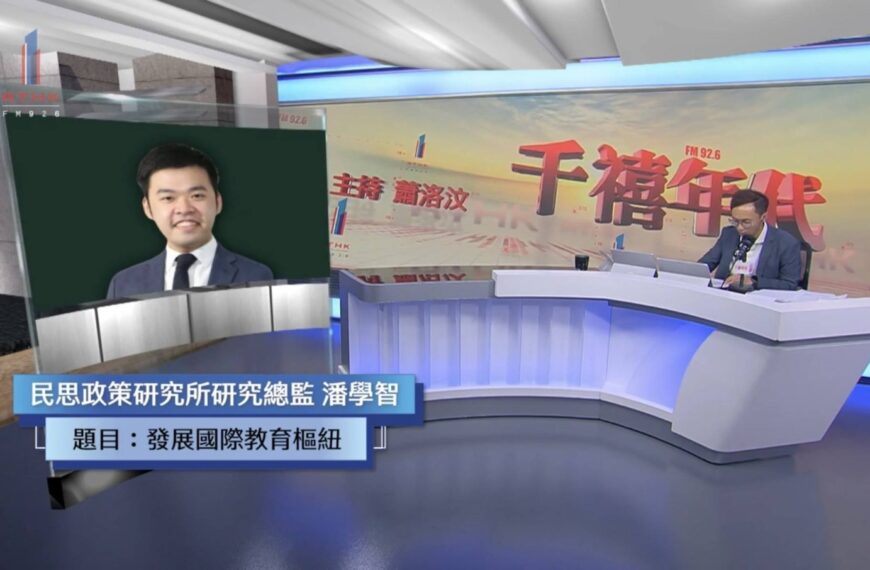
[Hong Kong 2000] Think Tanks Advocate for Scholarship Diplomacy in Belt and Road Countries
The Millennium: https://www.rthk.hk/tv/dtt31/programme/talkabout/e […]

[Finance Boulevard] The Iranian Crisis
Financial Wisdom: https://www.metroradio.com.hk/MetroFinance/Program […]
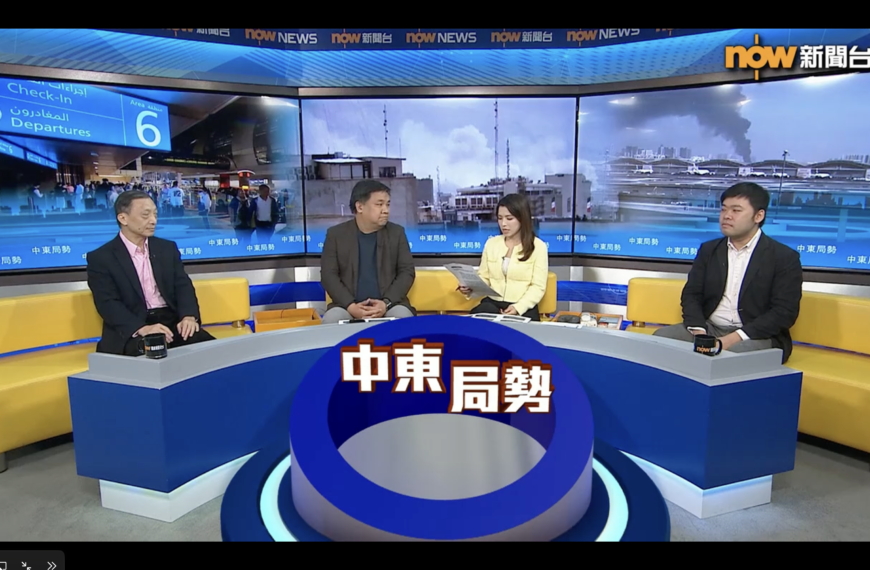
[News Magazine] Middle East Situation
The United States and Israel suddenly attacked Iran, killing Khamenei and several other high-ranking political and military officials. Iran immediately launched a counterattack. How long will the conflict last? How will the international situation change?

[Hong Kong Hot Kitchen] US and Israel launch surprise attack on Iran
Under the guise of peace negotiations, the US and Israel launched a joint airstrike on Tehran, the Iranian capital, in a decapitation strike that killed Iranian Supreme Leader Ayatollah Khamenei and 40 other high-ranking officials, with the aim of completely overthrowing the Iranian regime. Iran immediately established an interim committee, blocked the Strait of Hormuz, and launched a full-scale counterattack, but found itself diplomatically isolated. Amidst this double blow of natural disaster and man-made calamity, Iran's future remains uncertain, oil and gold prices have soared, and the situation in the Middle East and even globally faces severe instability.
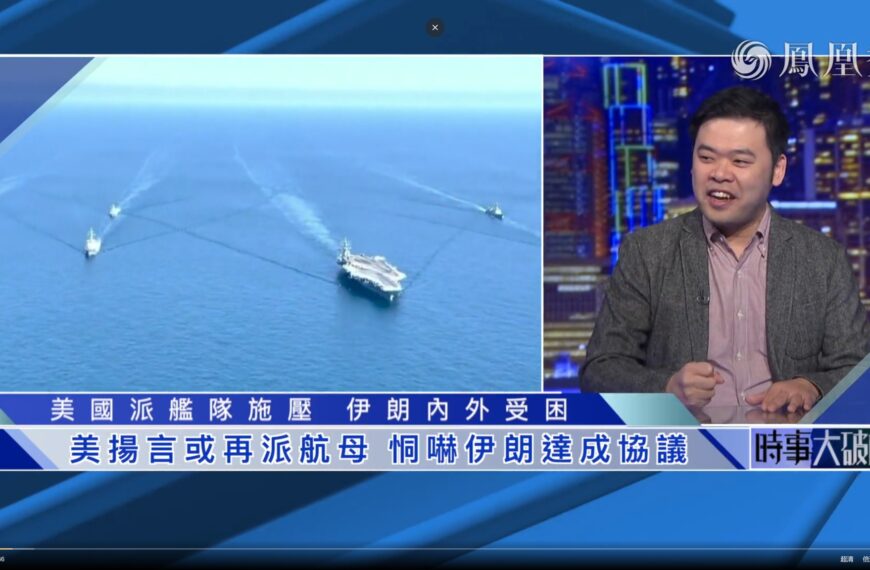
[News Decoder] US-Iran-Oman Talks End in Failure
The Oman talks between the US and Iran ended without success. Reports indicate that the US's largest aircraft carrier, the USS Ford, has entered the Mediterranean, joining the USS Lincoln already in the Arabian Sea, ready to launch a pincer attack on Iran. Israel is actively lobbying Washington to expand its "maximum pressure 2.0" campaign, attempting to force Iran into a complete compromise while it is mired in internal turmoil and economic collapse, pushing the situation to the brink of military miscalculation. Beset by internal and external difficulties, Iran faces a brutal choice between regime survival and strategic surrender.

Narrowing the digital divide
Narrowing the digital divide is never an endeavor that can be accomplished by a single department, a single grant, or a few pieces of hardware. It requires long-term investment, institutional design, and cross-sectoral collaboration. International Day for Women and Girls to Participate in Science and Technology reminds us that the future of technology should not belong to only a few; and the education sector reminds us that if institutional disparities between schools and teachers are not addressed early, the so-called "digital transformation" will ultimately only exacerbate inequality.

[News Decoder] Iran is in crisis
Iran is entering its most severe systemic crisis since its founding: the EU’s reinstated sanctions have removed Tehran’s diplomatic buffer, while the United States has reactivated and intensified maximum pressure across energy, finance, and trade—triggering a collapse in the rial, surging inflation, and widespread supply‑chain disruption.
Nationwide protests met with network shutdowns and coercive force have further entrenched generational divides and accelerated the regime–society confrontation, exposing a widening governance vacuum as the international order moves toward re‑alignment. With Iran’s turmoil now extending well beyond nuclear and sanctions technicalities, it has become a critical indicator of the global rules–power rebalance, with spillover effects poised to shape energy markets, sea‑lane security, and supply‑chain resilience.

[Hong Kong Hot Kitchen] The US forcibly seizes Venezuela
The US kidnapped the Venezuelan president to New York for trial, disregarding international order. The international community upholds sovereignty and justice, condemning this hegemonic act. However, some argue that using the guise of "justice" justifies rampant robbery. With the US midterm elections approaching, how will public opinion reflect this? Trump's bluff and plans to withdraw from multiple international organizations raise the question: is he withdrawing from the world stage or becoming even more reckless?

[News Magazine] Reforms to Prevent Bidding Warfare
Guest: Pan Xuezhi, Research Director of the Minsi Policy Research Institute
More