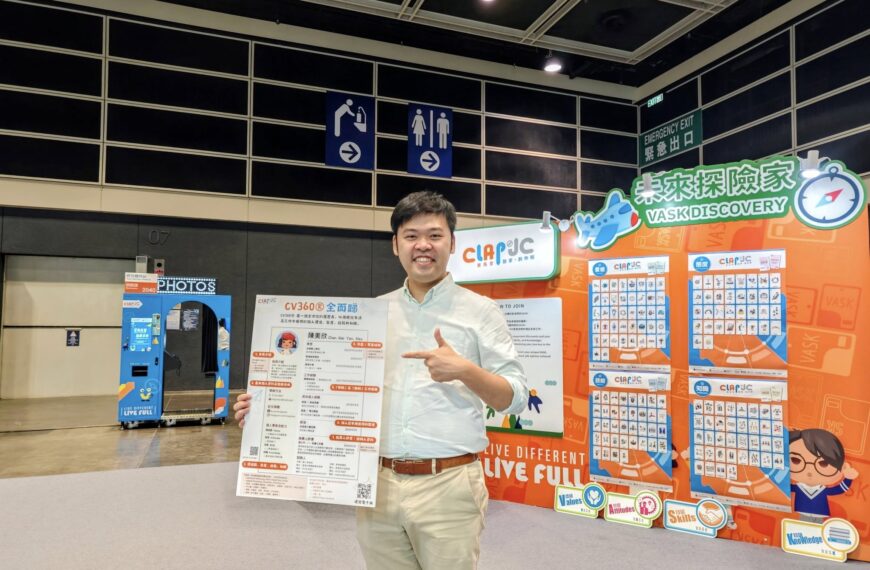
The JC Conference
The JC Conference brought together youth and caring adults to explore how human wisdom and artificial intelligence can complement each other in shaping future society. Our new digital platform was launched to match young people's career traits with real market opportunities. Youth presented creative proposals, highlighting the power of intergenerational collaboration in building a more inclusive and opportunity-rich future.
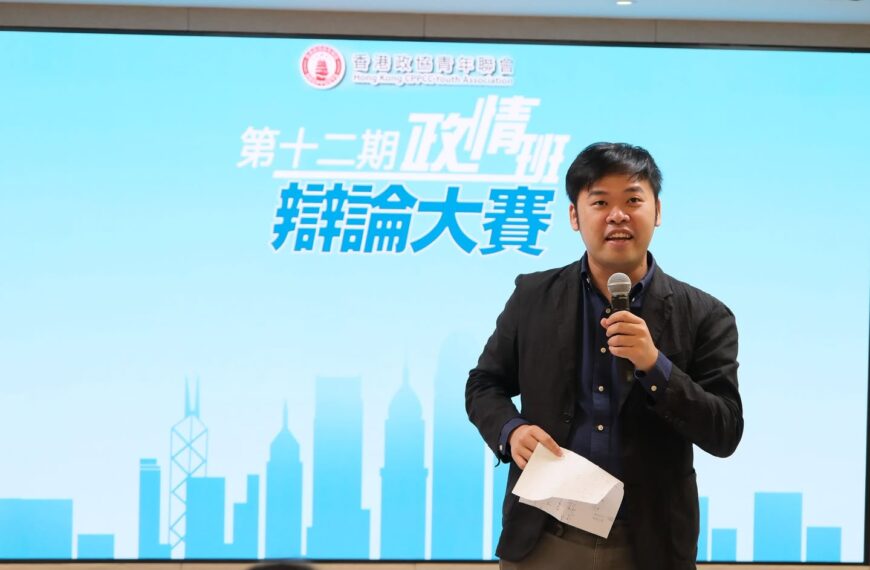
Political youth and political sentiment class
After two days of intensive learning, participants transformed knowledge into powerful debates. As a judge, I witnessed their sharp analysis and multi-perspective thinking across three timely topics: AI in creative industries, the impact of “panda economy,” and comparing Shanghai-Hong Kong as regional HQs.
Their insights reflected not just policy understanding, but cross-sectoral vision and critical thinking. Public affairs demand empathy and stakeholder awareness—skills these young minds are clearly developing. Excited to see them turn thought into action and become future changemakers.
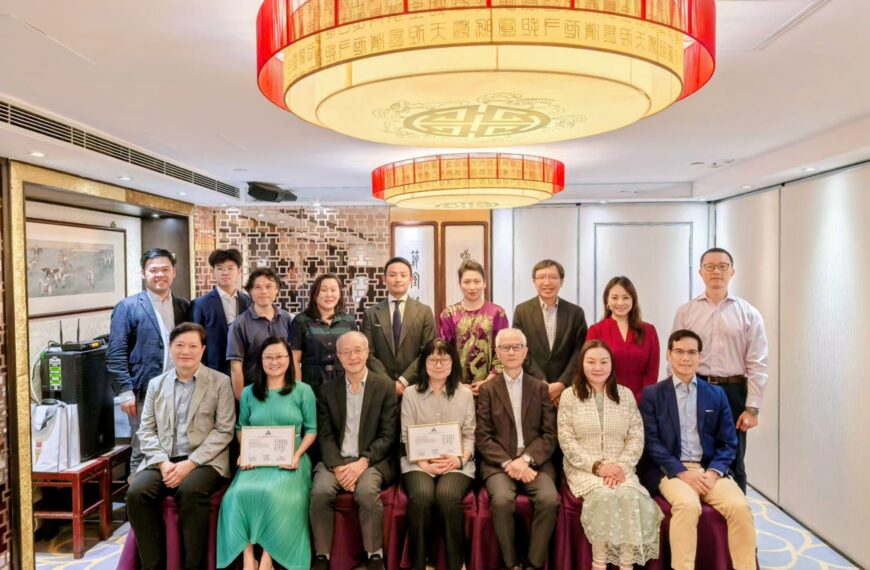
Hong Kong (International) Aerospace Charitable Foundation
Space exploration is humanity’s endless frontier. While Hong Kong isn’t a traditional aerospace hub, its global connectivity and research strength position it to grow as an global innovation hub—especially through commercial space initiatives.
I’m honored to join the Hong Kong (International) Aerospace Charitable Foundation as Vice Chairman, alongside an incredible Astronomy Science Committee featuring experts from HKU, CUHK, HKUST, and beyond. With advisors like Prof. Luis Ho, we’re launching a new journey in space education and philanthropy. Hong Kong is ready to embrace the space economy—and we have the talent to lead it.
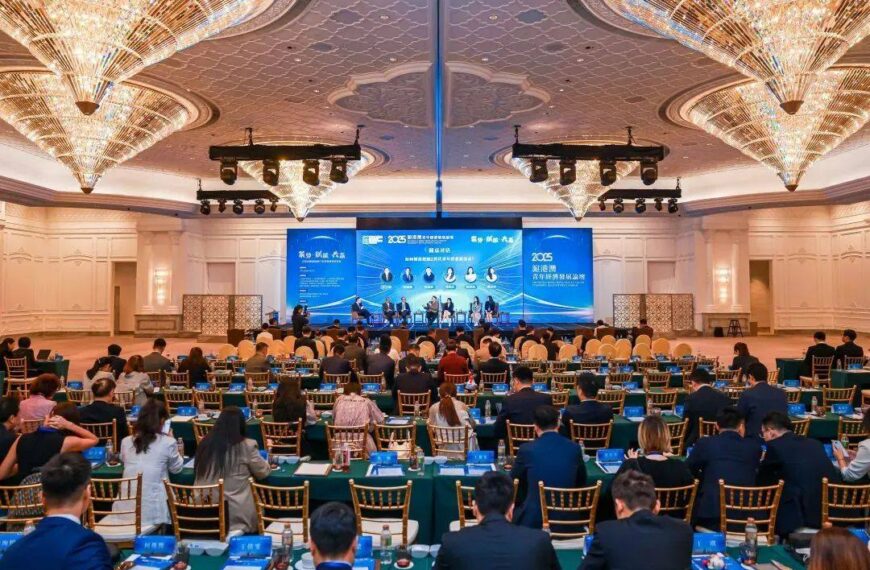
Shanghai-Hong Kong-Macao Youth Economic Development Forum
Honored to witness 27-year legacy of cross-regional synergy in the Shanghai-HK-Macau Youth Economic Development Forum. Over 300 youth leaders explored new drivers of the youth economy through culture, tourism, sports, and innovation. From AI to biomedicine, Gen Z voices showed deep strategic insight and bold creativity.
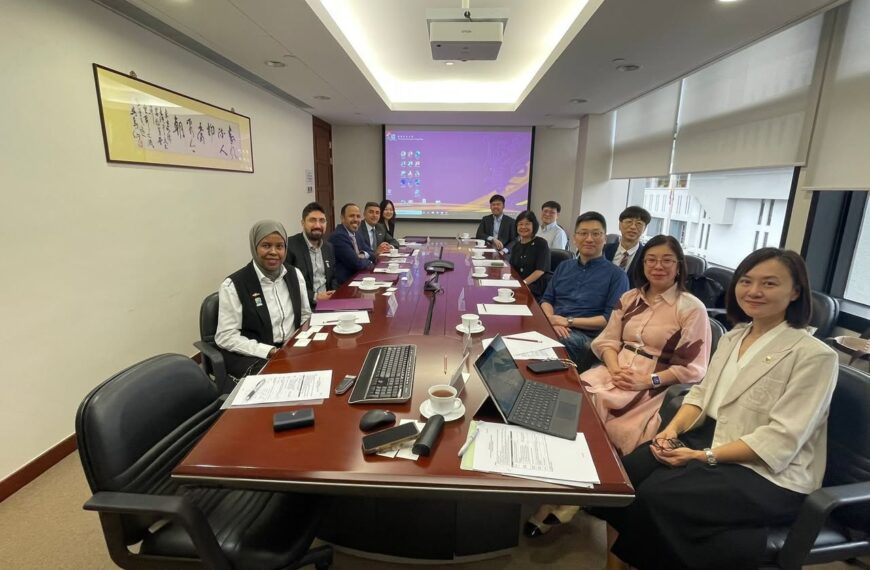
Delegation from Kuwait Science Development Foundation and Kuwait University
A delegation from the Kuwait Foundation for the Development of Science and Kuwait University recently visited CUHK. Vice-President Professor Mei-Ha Sham, along with four deans, engaged in in-depth discussions, with me in attendance. Both sides focused on cutting-edge fields such as artificial intelligence, robotics, environmental science, and social innovation. We showcased Hong Kong's research capabilities, integrating engineering R&D with clinical applications, including a multi-scale robotics platform for diagnosis and treatment. This cross-regional, cross-cultural, and interdisciplinary dialogue fosters knowledge sharing and academic connections, injecting new impetus into higher education and societal development. We look forward to CUHK and academic institutions in Kuwait collaborating on impactful collaborative projects to promote regional and global innovation.
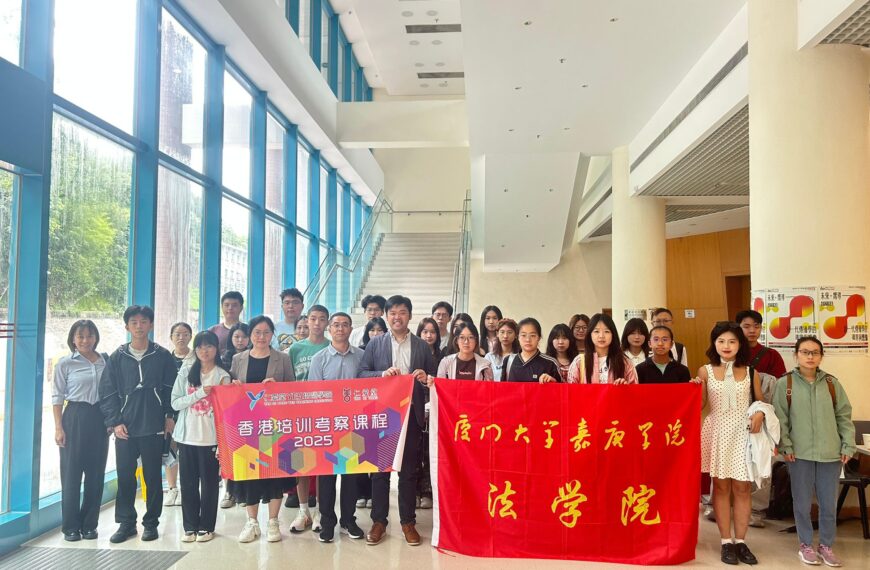
Mainland University Exchange Groups
This summer at CUHK, we welcomed exchange groups from East China Normal University,
Beijing Foreign Studies University, and Xiamen University.
One unforgettable moment: mainland students arriving late at night during a No. 10 typhoon
signal—undaunted by the storm, driven by a passion for learning. From Hong Kong’s public administration to global affairs, our discussions went far beyond
textbooks. These exchanges spark ideas, challenge perspectives, and build lasting
connections.Wishing all participants continued success—keep shining and shaping the future
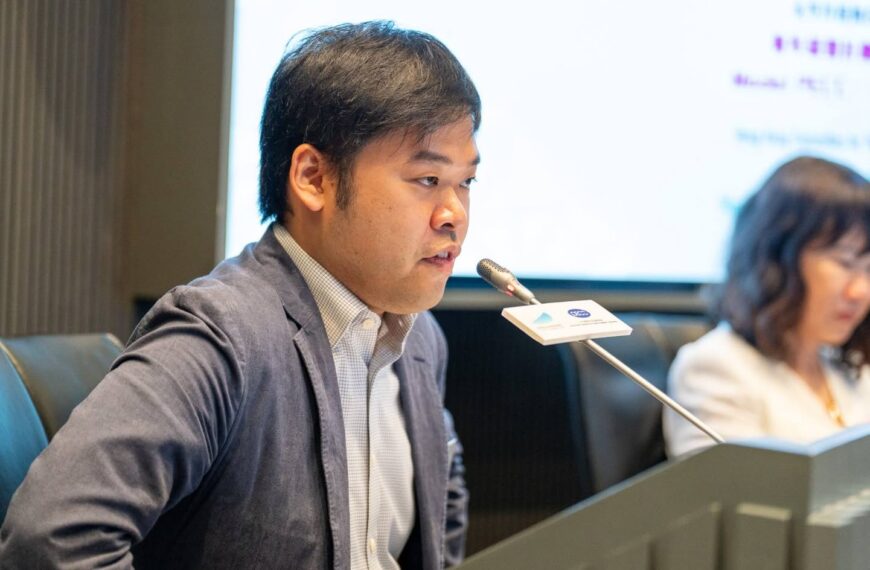
Model LegCo programme
Public governance, diplomacy, and regional cooperation may seem distant from everyday youth experiences. But with the right policy training, Hong Kong’s young leaders are already leaving their mark in these fields.
Through our Model LegCo programme, students debated the professionalization of Hong Kong’s sports talent under the guidance of Legislative Councillor Edward Leung, sharpening their policy analysis and stakeholder coordination skills.
In the Youth Diplomacy Summer School, participants tackled real-world global challenges in a 24-hour crisis simulation, learning to mobilize diplomatic resources under pressure.
And with Model PECC, students stepped into the shoes of Asia-Pacific negotiators, experiencing firsthand the dynamics of regional economic cooperation.
Most rewarding of all? Witnessing these young minds transform learning into action—supported by the Office of the Commissioner of the Ministry of Foreign Affairs in Hong Kong and the Hong Kong Committee for Pacific Economic Cooperation. Together, we’re building a generation ready to lead with insight, empathy, and impact.
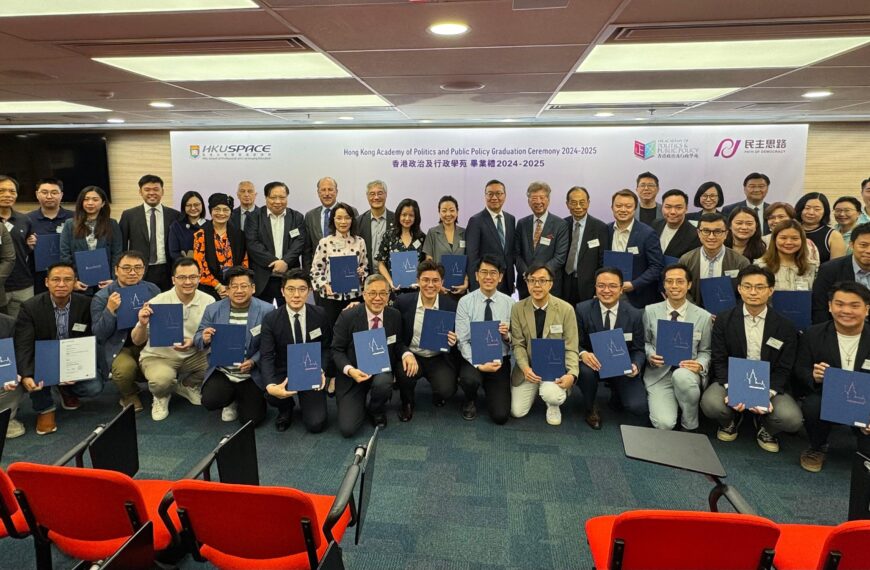
Graduation Ceremony of the Hong Kong Academy of Political Science and Administration
Honored to celebrate the graduation of two leadership programmes at the Hong Kong
Academy of Politics and Public Administration.
As Secretary for Justice Paul Lam said,
“Politics is the art of balance.”
Our graduates showed empathy, consensus-building, and clarity—skills Hong Kong needs
for future governance.
Excited to see them lead with purpose across sectors and borders.
PoD Research Institute
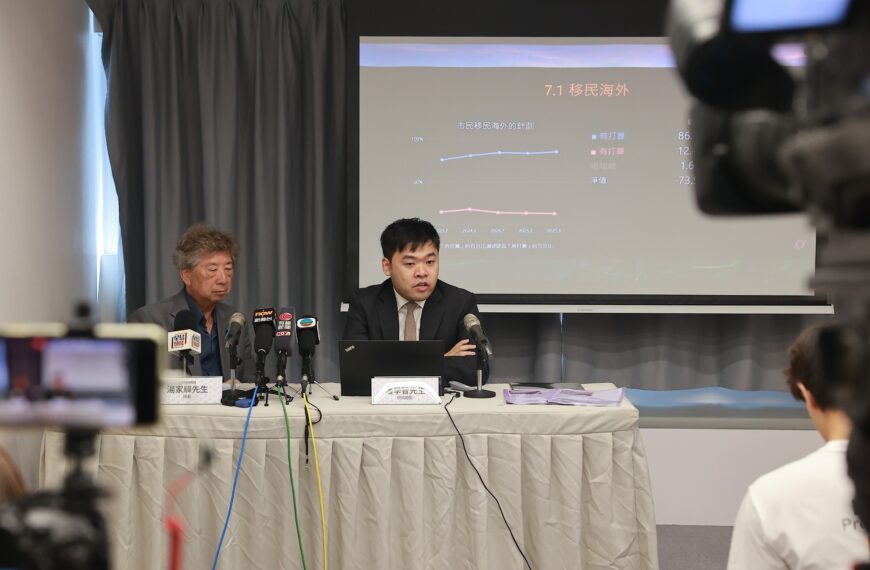
After a decade of development, our think tank has officially rebranded as PoD Research Institute—a milestone that marks our commitment to advancing high-level public policy research. At the launch, we released the latest One Country, Two Systems Index. The findings reveal a continued decline in “human rights and freedoms” in local public opinion, reflecting the lingering impact of past political tensions. In contrast, international assessments show a more positive trend, with rising scores across several pillars—highlighting Hong Kong’s role as a “safe haven” for global capital amid geopolitical uncertainty.
Hong Kong 200 Adjudication
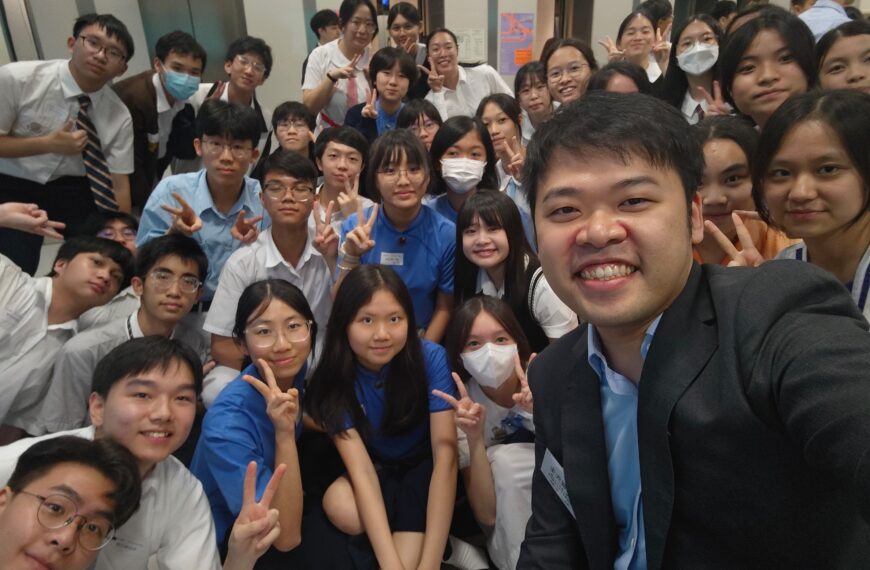
Thrilled to return to the #HK200 community as a judge for the 2025 cohort, engaging with
200 emerging student leaders on what leadership truly means today.
Throughout the selection process, we exchanged insights on navigating change, drawing
from real-world experience across industries. We emphasized four key traits of modern
leadership: a hunger to learn, strong communication, a sense of responsibility, and the
courage to innovate.
One student asked how to handle criticism from peers or society. I shared my own approach:
start by understanding others’ perspectives, clearly articulate your reasoning, and most
importantly—build trust through consistent action.
Witnessing these intergenerational conversations reminded me that leadership isn’t about
having all the answers. It’s about staying grounded in your values while remaining open to
growth.