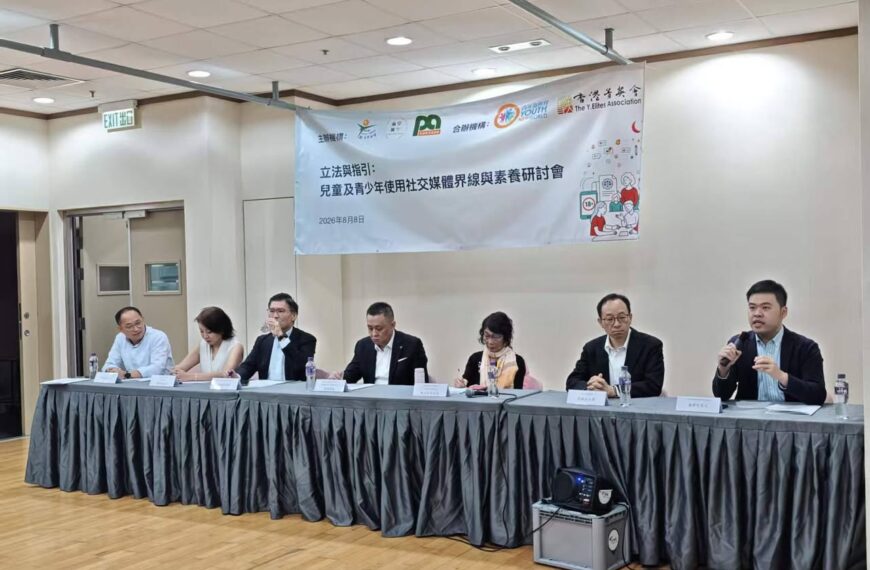
Legislation and Guidelines: A Seminar on Boundaries and Literacy in Children's and Adolescents' Use of Social Media
Recently, I participated in the "Legislation and Guidance: Seminar on Boundaries and Literacy of Children and Youth's Use of Social Media," co-organized by the New Youth Forum, the Hong Kong Parents' Association, and the Hong Kong Elite Association. Together with legislators Yau Tat-Ken, Tang Fei, Leung Sze-Wan, and Principal Chan Lui Ling-Yee, we examined this global battle over digital governance. This event received extensive coverage from the South China Morning Post and Phoenix TV; and in an interview with RTHK, I clearly stated that while promoting regulation, Hong Kong's freedom of information and competitiveness are core assets that cannot be compromised.
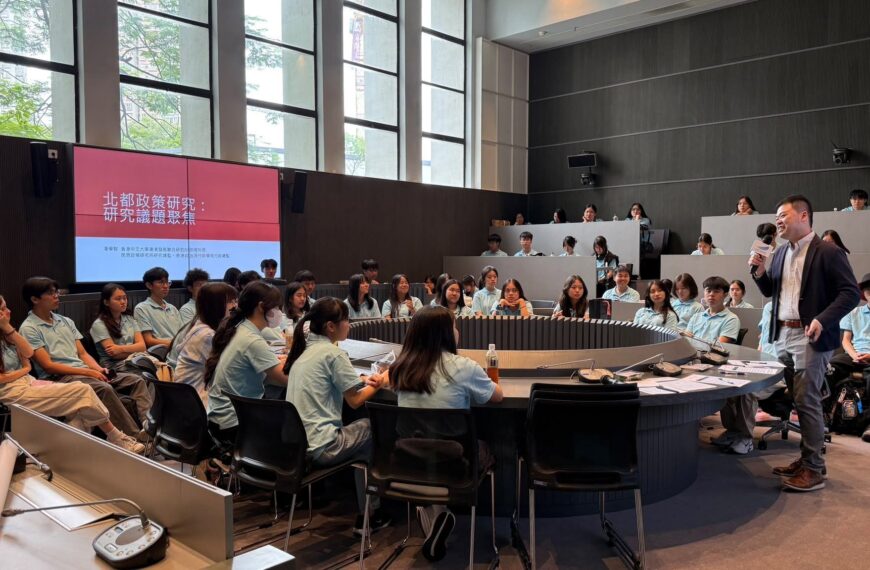
Hong Kong Federation of Youth Groups' "Hong Kong 200"
Public policy requires predicting the future amidst uncertainty, and true policy analysts must possess the diagnostic insight to see through political rhetoric and find solutions within complex social games…
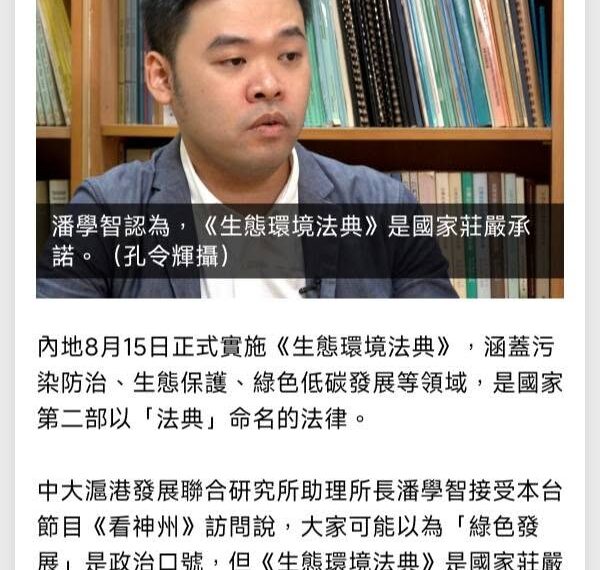
Ecological and Environmental Code
At a time when the world is filled with doubts about the commitment to green transformation, China is providing unshakable institutional certainty through the most serious legal means.
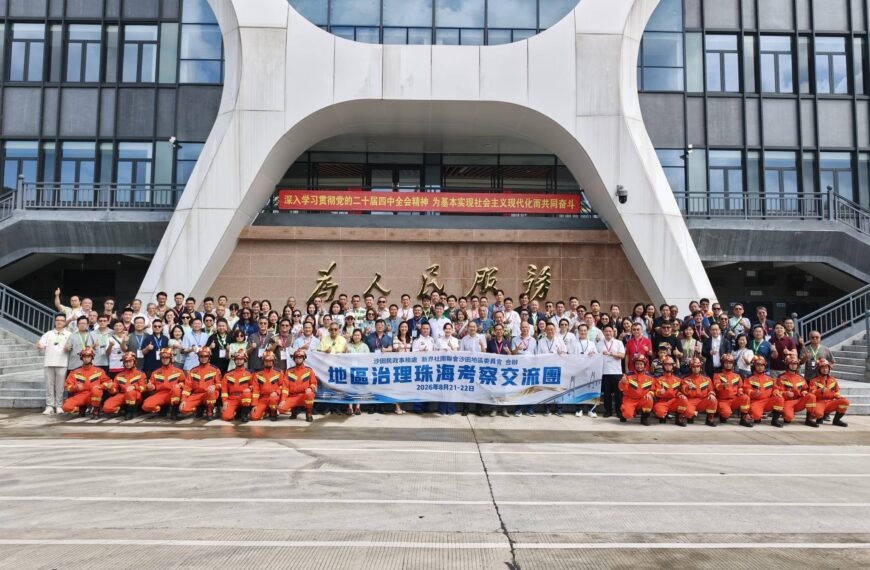
Zhuhai Area Governance Inspection
Over the past two days, I accompanied the Sha Tin District Committee on a study tour of Zhuhai's district governance. The itinerary covered the Hengqin-Macau Fire and Rescue Brigade and grassroots development in Doumen District. I deeply realized that in the face of complex social development, forward-looking planning is key to maintaining institutional certainty. As a member of the Fire Prevention Committee, I paid particular attention to the Hengqin Fire and Rescue Brigade's "comprehensive emergency response" system. Faced with the complex risks posed by high-rise buildings and densely packed underground spaces, they are accelerating the construction of a modern rescue network adapted to the integration of Hengqin and Macau. On the other hand, Doumen District, as a typical county in the "Hundred, Thousand, Ten Thousand Project," is attempting to combine historical culture with modern tourism through demonstration sites such as old streets and Xiazhou Village, transforming traditional rural resources into tangible results that drive regional economic development. These experiences demonstrate the importance of promoting community emergency awareness and resource revitalization. To enhance urban resilience, Hong Kong must learn from these grassroots governance experiences, proactively building strong social connections in an uncertain environment, and injecting more stable momentum into the city's long-term development.
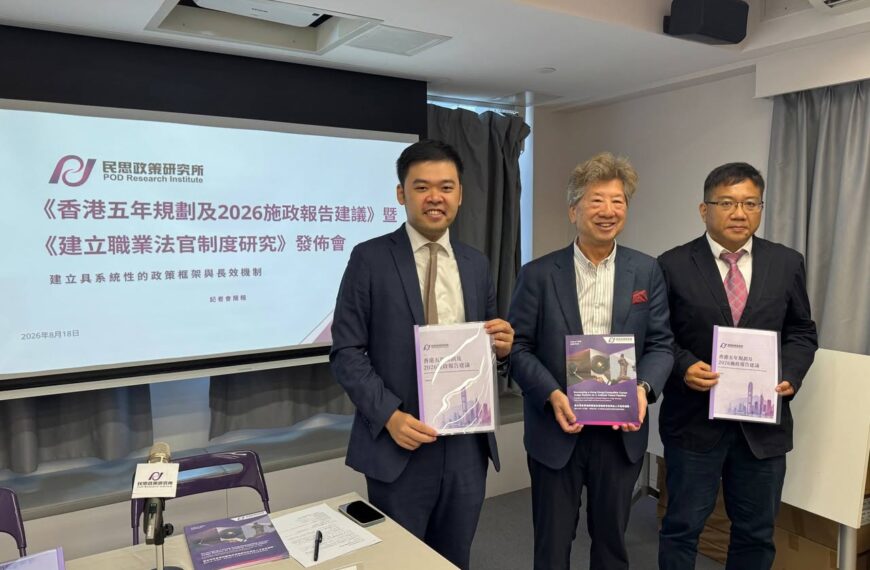
Recommendations for Hong Kong's Five-Year Plan and Policy Address 2026
Today was a highly proactive day for Hong Kong. We submitted our recommendations for the "Hong Kong Five-Year Plan and Policy Address 2026" with the Chief Executive, and exchanged views with Secretary for Justice Lam Ting-kwok, Secretary for Constitutional and Mainland Affairs Tse Siu-wah, and Chief Executive's Policy Unit Chief Executive Wong Yuen-shan. We emphasized that in the face of global political and economic changes, Hong Kong's governance must shift from static planning of "listing projects" to dynamic governance of "setting direction, establishing systems, and promoting implementation," leveraging Hong Kong's potential as a "super value-added force" in areas such as international education, low-Track economy, and digital currency.
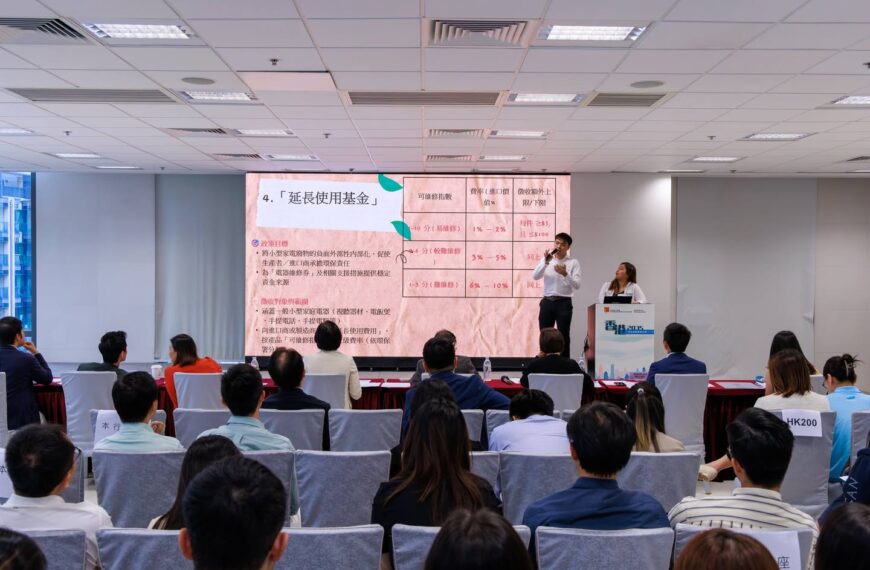
Hong Kong 2035: Youth Policy Proposal Competition
The true value of youth participation in public affairs lies not in simply receiving policies, but in contributing warm imagination and practice to the future of the city as co-builders.
The 22nd Cross-Strait and Hong Kong-Macao Public Management Academic Symposium
In the era of high-complexity intelligence and cross-border collaboration, the essence of public management is shifting from passive administrative response to proactive value creation and institutional design.
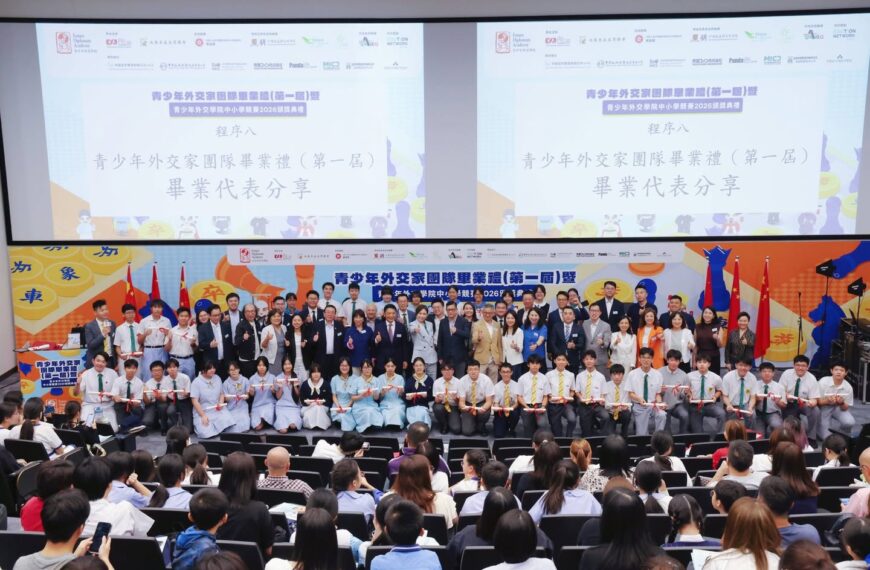
Youth Diplomacy Academy
Over the past year, the Youth Diplomacy Academy has provided students with a platform to understand national development and international affairs through systematic training, field exchanges, and various competitions, further broadening their horizons and enhancing their critical thinking and analytical skills. It is a pleasure to witness the students' growth and achievements, and to officially launch the Academy's latest publication, "The Path of the Great Way," at the graduation ceremony. This new generation of "youth diplomats" is demonstrating to the world the depth of thought among Hong Kong's youth. Hong Kong's future lies in its ability to cultivate "super-value-added individuals" who understand both China's national conditions and international rules. We are very grateful to Secretary for Security Tang Ping-keung for taking the time to attend and encourage the graduates to continue to care about national development and look to the world. We will continue to work with all sectors to cultivate more future pillars of Hong Kong and the nation who dare to take responsibility and practice people-to-people diplomacy.
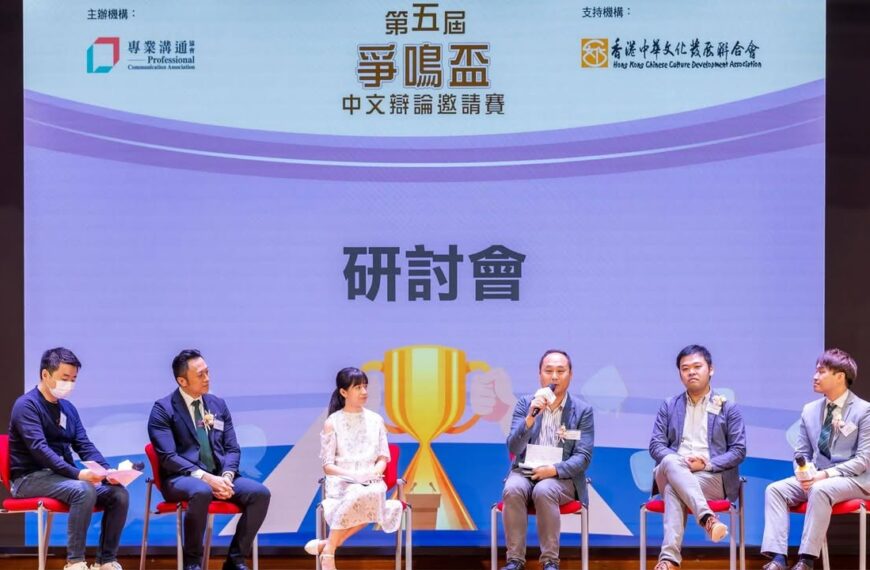
"Three Regions Children's Voice Cup" and "5th Zhengming Cup"
I was invited to serve as a judge and award presenter for the 4th "Three Regions Children's Voices Cup" Speech Contest Finals and the 5th "Contending Cup" Debate Challenge. Two stages, two formats, yet I witnessed the same heartening power—a new generation of youth understanding the world with a broader vision and more independent thinking. In the debate competition, students demonstrated critical thinking skills that transcended classroom frameworks, ranging from the public responsibility of food bloggers and food safety to comparisons of Hong Kong and Singapore's development models. In the speech competition, children connected personal observations with social concern through sharing history, culture, science, and stories from their hometowns, showing their curiosity and spirit of exploration. This also made me reflect again: do we place too much emphasis on "winning first place"? Compared to rankings and awards, the greatest value of competition lies in growth and reflection. Whether it's debate or speech, its essence is not just about persuading others, but about learning to think independently, establish judgments, and find better answers to complex social issues through exchange and interaction. I especially encouraged students to refuse to be "repeaters" and to bravely express their own views; at the same time, to build connections with society through real-life observations. Because the ultimate goal of education has never been to cultivate people who are good at memorizing, but rather to cultivate people who can think, express themselves, care about society, and create value. Watching these young people speak confidently on stage, I feel full of confidence in Hong Kong's future social development and intergenerational continuity. However, in this era of artificial intelligence and information overload, are we ultimately raising a group of competitive children, or a group of future citizens who know how to think and change the world?
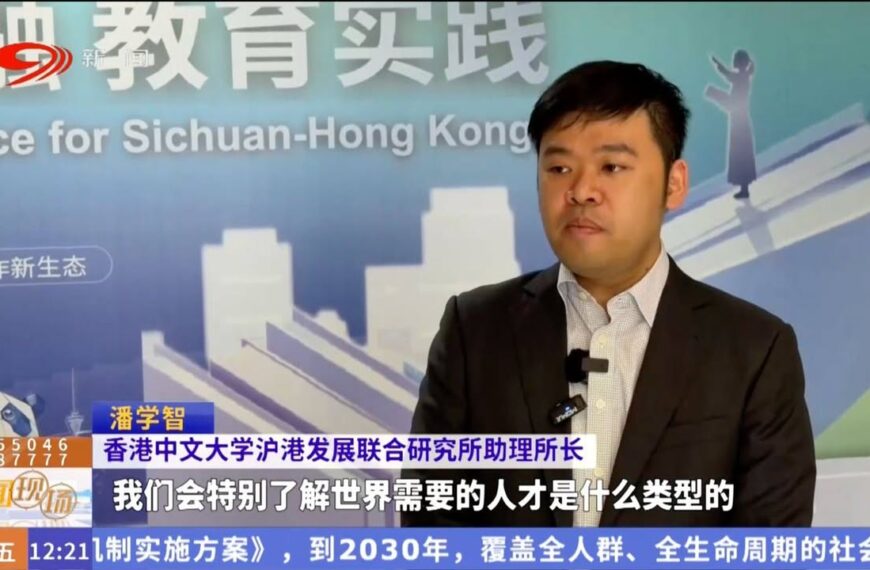
2026 Sichuan-Hong Kong Education Cooperation New Ecosystem Exchange Meeting
I attended the "2026 Sichuan-Hong Kong Education Cooperation New Ecosystem Exchange Conference" at Chengdu Jinjiang College. This grand event brought together nearly 50 education leaders and experts from Sichuan and Hong Kong to discuss how to build an efficient talent cultivation platform in the context of deep integration between the two regions. In my keynote speech, titled "Why Students Should Do Research," I shared my insights into the core requirements of modern talent. I proposed that, facing global academic and professional competition, Hong Kong universities and world-renowned universities no longer simply consider students' written test scores; students' "research literacy"—that is, the ability to identify problems, reason logically, and solve complex problems—is the key to breaking through. During the conference, I also had the opportunity to exchange ideas with experts such as Zou Guangyan, former Vice Governor of Sichuan Province and founding principal of the school, Duan Zengyong, Director of the Sichuan Academy of Educational Sciences, and Yang Yongjun, Director of the Sichuan Provincial Middle School Principals Association. We unanimously agreed that Sichuan-Hong Kong education cooperation should transcend traditional inter-school exchanges and shift towards in-depth resource sharing and practical path alignment. By exposing students to global issues early on, we are building a competitive advantage for young people from both regions to the future.